Pedal Your Way to Fitness: The Comprehensive Guide to Home Bicycle Workouts
In today's busy world, finding time for fitness can seem like an uphill battle. Gym subscriptions, travelling, and packed schedules typically thwart even the very best objectives. Nevertheless, the solution to effective and practical exercise may be closer than you believe-- best in your own home. Home bicycle exercises are quickly growing in popularity, and for good reason. They offer a great method to improve cardiovascular health, develop strength, and burn calories, all from the comfort and personal privacy of your own area.
This post digs into the world of home bicycle workouts, checking out the diverse types of equipment available, the wide range of benefits they offer, and how to craft a reliable routine that fits individual fitness objectives. Whether you're an experienced cyclist seeking to keep fitness throughout off-seasons, or a novice looking for a low-impact, accessible method to get active, home bicycle workouts can be a game-changer.
Kinds Of Home Bicycles for every single Need
The appeal of home bicycle exercises lies in the range of equipment choices offered. From high-tech wise bikes to basic, space-saving trainers, there's a bicycle option for every single budget, fitness level, and area constraint. Comprehending the various types is the very first step in selecting the right fit:
Stationary Bikes: These are dedicated stationary bicycle developed solely for indoor usage. They come in several sub-categories:
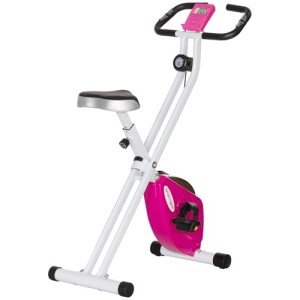
- Upright Bikes: Mimicking the posture of a traditional outside bicycle, upright bikes engage core muscles and offer a more extreme workout. They are a great well-rounded choice suitable for different fitness levels.
- Recumbent Bikes: Featuring a reclined seat with back assistance and pedals positioned in front of the body, recumbent bikes are incredibly comfortable and low-impact. They are perfect for people with back problems, joint problems, or those looking for a less difficult workout.
- Spin Bikes (Indoor Cycling Bikes): Inspired by studio cycling classes, spin bikes are constructed for high-intensity workouts. They normally have much heavier flywheels, adjustable resistance levels typically controlled by a friction knob, and a forward-leaning riding position that encourages effective pedaling.
Bicycle Trainers: For those who currently own a standard bicycle, bicycle trainers use an affordable way to transform it into a stationary bicycle. Fitness instructors are available in different types:
- Wheel-On Trainers: The most common type, wheel-on fitness instructors need installing the rear wheel of your bicycle onto a stand, where it rolls against a resistance system. They are typically more economical and easier to establish.
- Direct-Drive Trainers: Replacing the rear wheel of your bicycle completely, direct-drive fitness instructors provide a more realistic road feel and often offer more precise power information. They are generally quieter and more expensive than wheel-on trainers.
- Fluid Trainers: Utilizing fluid resistance, these trainers use a progressive resistance that increases as you pedal much faster, mimicking real-world cycling conditions more closely.
- Magnetic Trainers: Using magnets to develop resistance, magnetic trainers are usually quieter and more durable than fluid trainers however might use less sensible resistance progression.
The Myriad Benefits of Home Bicycle Workouts
Integrating home bicycle exercises into a routine yields a wealth of physical and psychological health advantages. Here's a better look at why pedaling in the house is such a powerful tool for well-being:
- Cardiovascular Health Improvement: Cycling is an excellent aerobic exercise that enhances the heart and lungs. Regular home bicycle exercises can decrease blood pressure, minimize bad cholesterol levels (LDL), and increase great cholesterol levels (HDL), significantly reducing the risk of cardiovascular disease, stroke, and other cardiovascular disorders.
- Weight Management and Calorie Burning: Cycling is a highly efficient calorie-burning activity. Depending upon intensity, period, and specific elements like weight, a 30-minute home bicycle workout can burn a considerable number of calories, contributing to weight reduction or upkeep when combined with a balanced diet plan.
- Low-Impact Exercise: Unlike high-impact activities like running or leaping, cycling is gentle on the joints. exercisebikesonline , circular movement decreases tension on knees, ankles, and hips, making it an ideal exercise option for people with joint discomfort, arthritis, or those recovering from injuries.
- Muscle Toning and Strengthening: While primarily a cardiovascular exercise, cycling likewise engages and tones different muscle groups. Leg muscles, consisting of quadriceps, hamstrings, and calves, are the main beneficiaries. Core muscles are likewise activated for stability, and glutes play a function in power generation.
- Benefit and Time Efficiency: One of the significant advantages of home bicycle workouts is unrivaled convenience. There's no requirement to commute to a gym or brave severe weather condition. Exercises can be squeezed into even brief windows of time and flawlessly integrated into hectic schedules.
- Mental Health Boost: Exercise in basic is understood to launch endorphins, natural mood boosters that can relieve stress, stress and anxiety, and signs of anxiety. Home bicycle exercises provide a readily accessible opportunity for stress relief and improved psychological well-being.
- Improved Endurance and Stamina: Consistent home bicycle workouts slowly improve cardiovascular fitness and muscular endurance. Gradually, individuals will find themselves able to cycle for longer periods and at higher strengths with less tiredness.
Crafting Your Home Bicycle Workout Plan
To optimize the benefits and guarantee development, a structured workout plan is vital. Here are crucial considerations when creating your home bicycle workout routine:
- Set Realistic Goals: Define your fitness objectives. Are you going for weight loss, improved cardiovascular health, muscle toning, or tension relief? Having clear goals will direct your workout intensity, period, and frequency.
- Warm-up and Cool-down: Always begin each session with a 5-10 minute warm-up. This could consist of light pedaling at low resistance, dynamic stretches like leg swings, or arm circles. Likewise, conclude your workout with a 5-10 minute cool-down of low-intensity cycling and static stretches, holding each stretch for 20-30 seconds.
Workout Types: Vary your exercises to keep things intriguing and target different fitness aspects. Think about including:
- Steady-State Cardio: Maintain a consistent rate and resistance level for a continual period (e.g., 30-45 minutes). This is exceptional for building endurance and burning calories.
- High-Intensity Interval Training (HIIT): Alternate between brief bursts of high-intensity cycling (e.g., 30-60 seconds at optimal effort) and healing durations of low-intensity cycling (e.g., 1-2 minutes). HIIT is extremely reliable for calorie burning and improving cardiovascular fitness in less time.
- Interval Training: Similar to HIIT but can include longer high-intensity intervals and recovery periods, focusing on constructing speed and power.
- Hill Climbs (Simulated): Increase resistance progressively to imitate climbing up hills. This constructs leg strength and endurance.
- Workout Frequency and Duration: Aim for at least 150 minutes of moderate-intensity aerobic exercise or 75 minutes of vigorous-intensity aerobic exercise weekly, as recommended by health organizations. This can be broken down into shorter sessions throughout the week. Start with 20-30 minute sessions and slowly increase duration and frequency as fitness enhances.
- Listen to Your Body and Progress Gradually: Pay attention to your body's signals. Rest when needed, and prevent pushing too hard, specifically when starting. Gradually increase workout intensity, period, or resistance gradually to constantly challenge yourself and avoid plateaus.
Tips for Effective and Enjoyable Home Bicycle Workouts
Maximizing your home bicycle workout experience includes more than simply pedaling. Here are some useful ideas:
- Proper Bike Setup and Posture: Ensure your bike is changed correctly for your height and body proportions. Keep great posture while cycling, keeping your back straight, shoulders unwinded, and core engaged.
- Hydration and Nutrition: Stay adequately hydrated by drinking water before, during, and after your workout. Fuel your body with a well balanced diet to support energy levels and recovery.
- Home entertainment is Key: Combat monotony by listening to music, podcasts, or audiobooks, or enjoy your preferred programs or motion pictures while cycling. Virtual cycling apps and online classes can also add engagement and motivation.
- Track Your Progress: Monitor your workout metrics like time, range, speed, resistance levels, and heart rate. Tracking progress assists you stay inspired and determine locations for enhancement.
- Vary Your Routine: Change up your workout types, intensity levels, and even your environment by moving your bike to various rooms or cycling outdoors periodically if possible.
- Find an Online Community: Connect with online cycling communities for inspiration, workout ideas, and assistance.
Security First: Important Precautions
While home bicycle workouts are generally safe, it's important to prioritize security:
- Bike Maintenance: Regularly inspect your stationary bicycle or bicycle trainer for any loose parts or malfunctions. Make sure resistance systems are working properly.
- Warm-up and Cool-down: Never skip warm-ups and cool-downs to avoid muscle stress and injuries.
- Correct Form: Maintain proper posture throughout your workout to prevent pain in the back or other pain.
- Listen to Your Body: Stop if you experience any pain, dizziness, or discomfort. Don't push yourself beyond your limits, particularly when beginning.
- Speak with a Doctor: If you have any hidden health conditions or concerns, consult your medical professional before starting a brand-new exercise program, particularly if you have cardiovascular problems or joint issues.
Conclusion: Embrace the Power of Home Cycling
Home bicycle exercises provide an effective, hassle-free, and versatile path to fitness. From improving cardiovascular health and burning calories to enhancing psychological wellness and toning muscles, the advantages are indisputable. By comprehending the different equipment choices, crafting a customized workout strategy, and following safety guidelines, people can successfully pedal their way to a much healthier and better lifestyle, all without leaving the convenience of their homes. So, dust off that stationary bicycle or set up your trainer, and start your home cycling journey today!
Regularly Asked Questions (FAQs) about Home Bicycle Workouts
Q: How frequently should I workout on a stationary bike for best outcomes?
A: For basic fitness and health benefits, go for at least 3-5 sessions per week, lasting 30-60 minutes each. Consistency is essential. The particular frequency and duration will depend upon your private fitness objectives and existing fitness level.
Q: Is a home bicycle workout effective for weight reduction?
A: Yes, home bicycle exercises are really effective for weight reduction when integrated with a healthy diet. Cycling burns a substantial variety of calories, and routine exercises contribute to a calorie deficit, which is essential for weight reduction.
Q: What are some great home bicycle workout regimens for newbies?
A: Beginners can begin with:* Steady-State Cardio: 20-30 minutes of comfy pace cycling at low to moderate resistance.* Interval Training (Beginner): Alternate in between 1 minute of moderate strength cycling and 2 minutes of easy cycling for 20-25 minutes.* Hill Climbs (Gentle): Gradually increase resistance for a few minutes to imitate hills, then decrease for recovery. Repeat a couple of times.
Q: How can I make home bicycle workouts less uninteresting?
A: To combat boredom:* Listen to music, podcasts, or audiobooks.* Watch motion pictures or TV programs.* Use virtual cycling apps or online classes for interactive and guided exercises.* Vary your workout routines and strength levels.* Cycle with a good friend or household member virtually.
Q: Do I need any unique equipment besides the bicycle itself for home workouts?
A: While the bicycle is the main equipment, think about:* Comfortable cycling shorts or cushioned seat cover for longer workouts.* Heart rate monitor to track your strength.* Water bottle to stay hydrated.* Towel to clean away sweat.* Wireless earphones or earbuds for home entertainment.* Fan to keep one's cool, especially during extreme workouts.
Q: Can home bicycle exercises assist with knee discomfort?
A: Yes, often. Cycling is a low-impact exercise that can be gentle on the knees. Recumbent bikes are particularly helpful for individuals with knee problems due to their reclined position which lowers pressure on the joints. Nevertheless, it's always recommended to seek advice from a physician or physical therapist before beginning any new exercise program if you have knee discomfort or other joint problems.